Discover how negative electricity pricing, AI, and smart homes can reshape residential demand, integrate more renewables, and cut costs in the green energy transition.
Negative Pricing: A New Tool to Shape Home Energy Use
As heat pumps, EV chargers, and smart devices spread through our homes, the way we use electricity is changing faster than at any time in the past century. Yet most of us still face the same flat or time-of-use tariff our parents did. In a world racing toward net-zero, that blunt pricing system is becoming a problem.
One of the most powerful, and controversial, ideas now emerging in green technology is negative electricity pricing—paying people to use power when the grid is flooded with cheap, clean energy. Beyond being a quirky headline about "getting paid to do laundry," negative pricing is a serious tool to shape residential electricity demand, integrate more renewables, and cut system-wide emissions and costs.
This post, part of our Green Technology series, explores how negative prices work, why AI and smart grids make them viable in 2025, and what utilities, policymakers, and tech providers can do today to turn this from an experiment into a scalable climate solution.
What Is Negative Electricity Pricing (And Why Now)?
Negative electricity pricing happens when the market price of electricity drops below zero—meaning generators (or intermediaries) effectively pay consumers to take power off the grid.
Why would anyone pay you to use electricity?
In a renewables-heavy grid, price can go negative when:
- Solar or wind output is very high (e.g., sunny, windy midday)
- Demand is relatively low (e.g., spring or autumn weekends)
- Grid flexibility is limited, so curtailing generation is expensive
In those moments, the system has a choice: waste clean energy by curtailing it, or incentivize extra demand to soak it up. Negative prices are a market signal that says,
"Now is the perfect time to run flexible loads—please shift your consumption here."
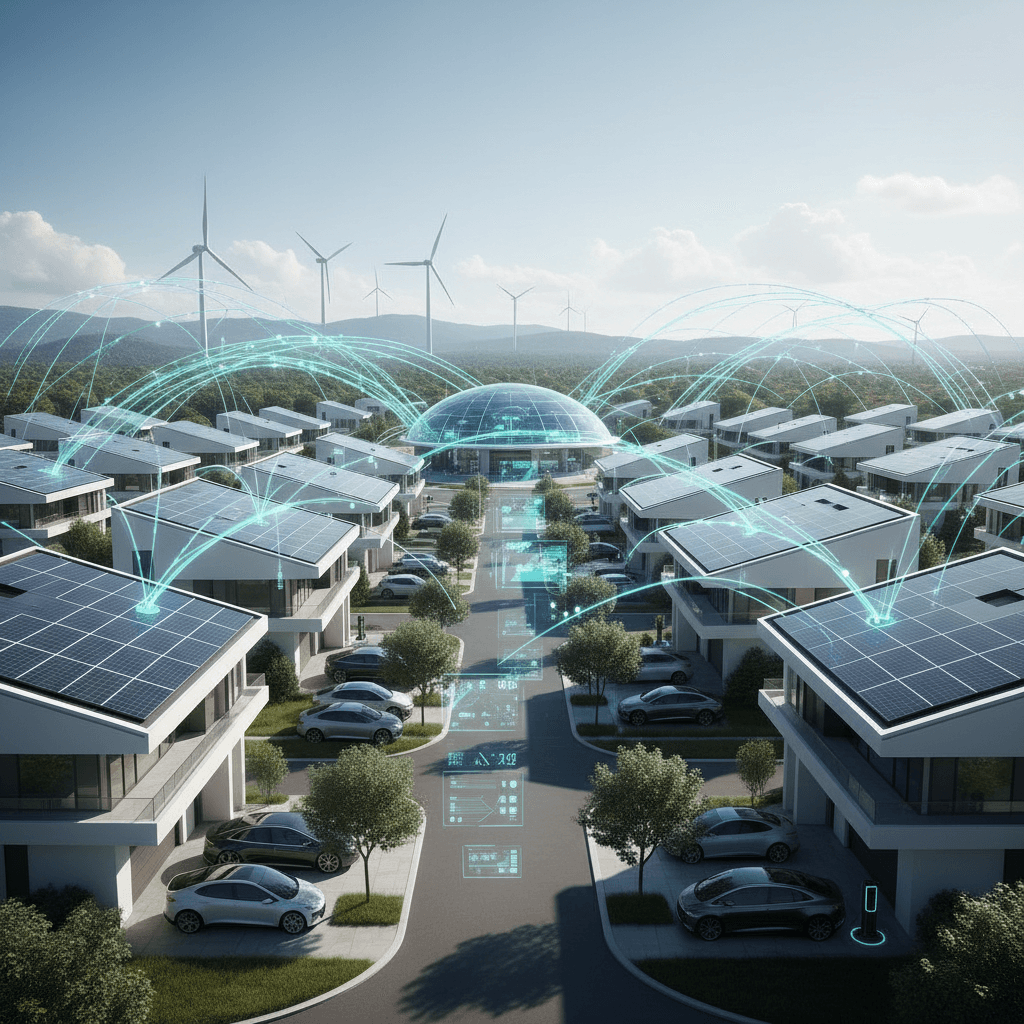
This is where residential electricity demand becomes a strategic asset. Homes equipped with smart thermostats, battery storage, heat pumps, and EV chargers can respond to that signal in seconds, turning millions of small devices into a giant, flexible balancing resource.
How Negative Pricing Shapes Residential Demand
For negative pricing to matter, it must do more than appear on wholesale trading screens. It has to reach households in a way that is understandable, automated, and trustworthy.
From wholesale markets to household bills
Today, most residential customers never see real-time prices. They get:
- Flat tariffs: same rate all day
- Time-of-use tariffs: higher peak prices, lower off-peak prices
- Dynamic tariffs (emerging): prices that change by hour or in response to market conditions
Negative pricing can be integrated into dynamic retail tariffs so that when wholesale prices go below zero, the household rate drops too—but with safeguards (like floors and caps) to avoid bill shock.
Then, the real magic happens when:
- Smart devices respond automatically to negative price windows
- Home energy management systems (HEMS) optimize when to run loads
- AI algorithms balance comfort, cost, and carbon intensity
Examples of flexible residential loads
Negative pricing works best with shiftable or flexible demand, such as:
- EV charging (especially overnight or midday at home and workplaces)
- Heat pump preheating or precooling (thermal storage in buildings)
- Domestic hot water heating (using tanks as thermal batteries)
- Smart appliances (dishwashers, washing machines, dryers)
- Residential batteries (charging when prices are negative)
Rather than telling people to wake up at 3 a.m. to start the dishwasher, automation lets homes quietly respond to price and carbon signals in the background.
The Role of AI and Smart Grids in Negative Pricing
Negative pricing alone is not enough; most people will not manually chase 15-minute price signals. This is where artificial intelligence and smart grid technology become essential.
AI as the "brain" of flexible demand
AI-driven systems can:
- Forecast prices and carbon intensity hours or days ahead
- Learn a household's comfort preferences and routines
- Decide when to shift loads to low or negative price periods
- Avoid creating new peaks that strain the grid
For example, an AI-powered home energy manager might:
- See that tomorrow from 11:00–14:00, prices will likely go negative due to high solar output.
- Preheat the home and hot water tank in that window.
- Schedule the EV to charge mainly during those hours.
- Reduce consumption during the early evening peak when prices and carbon intensity are highest.
This turns negative pricing events into automated demand shaping, rather than a novelty that only the most engaged energy geeks benefit from.
Smart meters and real-time data
To support this, smart meters and IoT devices provide:
- Real-time usage data at the device level
- Secure remote control of loads
- Verification that a home responded to a price signal
At the grid edge, distribution system operators use this data to see how much flexibility they can rely on, reducing the need for expensive peaker plants and grid reinforcements.
In the broader green technology landscape, this convergence of AI, smart sensors, and clean energy is one of the most impactful trends of the 2020s.
Benefits and Risks of Negative Residential Pricing
Like any powerful tool, negative pricing comes with both big upsides and real challenges.
Key benefits
-
Better integration of renewable energy
Negative prices encourage households to consume when renewable generation is abundant, reducing curtailment and making each solar and wind farm more valuable. -
Lower system costs and emissions
By shaping residential demand, grids can:- Avoid or defer expensive network upgrades
- Run fewer fossil peaker plants
- Lower overall carbon intensity of electricity consumed
-
New value for consumers
With the right tariff and automation, households can:- Pay much less for energy over a year
- Even earn money in rare cases for providing flexibility
- Align their energy use with their climate values
-
Catalyst for smart home and EV adoption
The ability to monetize flexibility can accelerate sales of:- Smart thermostats and HEMS
- EVs and bidirectional chargers
- Residential batteries and heat pumps
Real risks and challenges
-
Equity and access
Without careful design, benefits flow mostly to:- Homeowners with rooftop solar, batteries, and EVs
- Tech-savvy households Renters, low-income households, or those in older buildings might be left out. Policymakers must make sure dynamic tariffs and smart devices are accessible and fair.
-
Complexity and trust
Dynamic pricing is hard to understand. Negative prices even more so. If billing is opaque, people may feel tricked, even if the math is correct.Clear communication, simple dashboards, and default automation (rather than manual micro-management) are key.
-
Grid stability and rebound peaks
If every EV and heat pump turns on the moment prices go negative, then all shut off together, it can create new peaks and instability.AI-based coordination and staggered responses (randomized start times, caps on aggregate load) are needed.
-
Regulatory barriers
Many electricity markets and regulations were not designed for households facing negative prices. Questions arise about:- Consumer protection
- Supplier obligations
- How to treat taxes and fees when prices go below zero
Practical Paths Forward for Utilities, Policymakers, and Tech Providers
To turn negative pricing from theory into a scalable tool for shaping residential demand, different stakeholders each have a role to play.
For utilities and energy retailers
-
Pilot dynamic tariffs with clear guardrails
Introduce tariffs that reflect negative prices, but with:- Minimum and maximum retail price ranges
- Bill smoothing options or monthly caps
- Simple, visual statements showing savings from flexibility
-
Bundle automation with tariffs
Offer customers:- Smart plugs or thermostats preconfigured to follow price signals
- Integrations with EV chargers and smart appliances
- A mobile app that translates complex markets into simple choices ("Eco," "Comfort," "Savings" modes)
-
Use AI to orchestrate fleets of homes
Treat residential customers as a virtual power plant (VPP), aggregating their flexible loads. AI can bid this flexibility into markets, sharing the value back with households.
For policymakers and regulators
-
Enable dynamic tariffs with consumer protection
Update tariff rules to allow real-time or day-ahead pricing that can go negative, while requiring:- Transparent billing
- Opt-in and easy opt-out
- Baseline tariff options for those who do not want complexity
-
Support access and equity
Encourage:- Subsidies or rebates for smart devices and home energy management
- Special programs for low-income households that share in flexibility value
-
Mandate openness and interoperability
Ensure smart meters, devices, and platforms use open standards so customers are not locked into one provider, and flexibility can be coordinated across the whole system.
For technology and solution providers
-
Design human-centered interfaces
The goal is not to teach everyone how electricity markets work. Instead, provide:- Clear indicators: green for low-carbon, low-cost; red for high
- Simple toggles: comfort vs savings, with an explanation of impact
- Automatic updates as tariffs and devices change
-
Integrate carbon signals with price signals
For a truly green technology solution, optimize not only for cost but also for emissions. Sometimes a slightly higher price can be justified if carbon intensity is much lower. -
Offer APIs for ecosystem collaboration
Let EV chargers, smart thermostats, and home batteries plug into your optimization engine, so households get a unified experience instead of app overload.
How Businesses and Households Can Prepare Today
Even if full negative pricing is not yet available in your region, 2025 is an ideal time to lay the groundwork.
For businesses and solution providers
- Develop dynamic-pricing-ready products (EV chargers, thermostats, HEMS)
- Build or partner on AI optimization engines that handle price and carbon forecasts
- Run small-scale pilots with friendly customers to gather data and refine algorithms
For households and early adopters
- When upgrading devices, look for smart, connected options with open standards
- Ask your supplier about time-of-use or dynamic tariffs and compare annual costs
- Use existing apps to monitor when your grid is cleanest and cheapest, and start shifting some loads manually as a habit
These steps ensure that when negative pricing does arrive at scale, you can capture the benefits immediately instead of starting from scratch.
Conclusion: Negative Pricing as a Cornerstone of Smart, Green Grids
Shaping residential electricity demand with negative pricing is more than a clever market trick. It is a cornerstone of a future where homes, vehicles, and devices actively support a clean, resilient, and affordable energy system.
Within the broader Green Technology transition, negative pricing is one of the clearest examples of how AI, smart grids, and renewable energy reinforce each other: algorithms turn volatile solar and wind output into actionable signals, and millions of devices respond in real time.
For energy companies, policymakers, and tech providers, the next few years are a critical window. The question is no longer whether negative prices will occur—they already do. The real question is: Will we have the digital, regulatory, and business frameworks ready to turn them into value rather than waste?
Now is the time to experiment, build capabilities, and design customer-centric solutions so that the next time the price of electricity goes below zero, it pulls us closer to net-zero.