Target's ChatGPT shopping test signals a new retail front door. See how it works, what to expect, and how to pilot conversational commerce that boosts productivity.
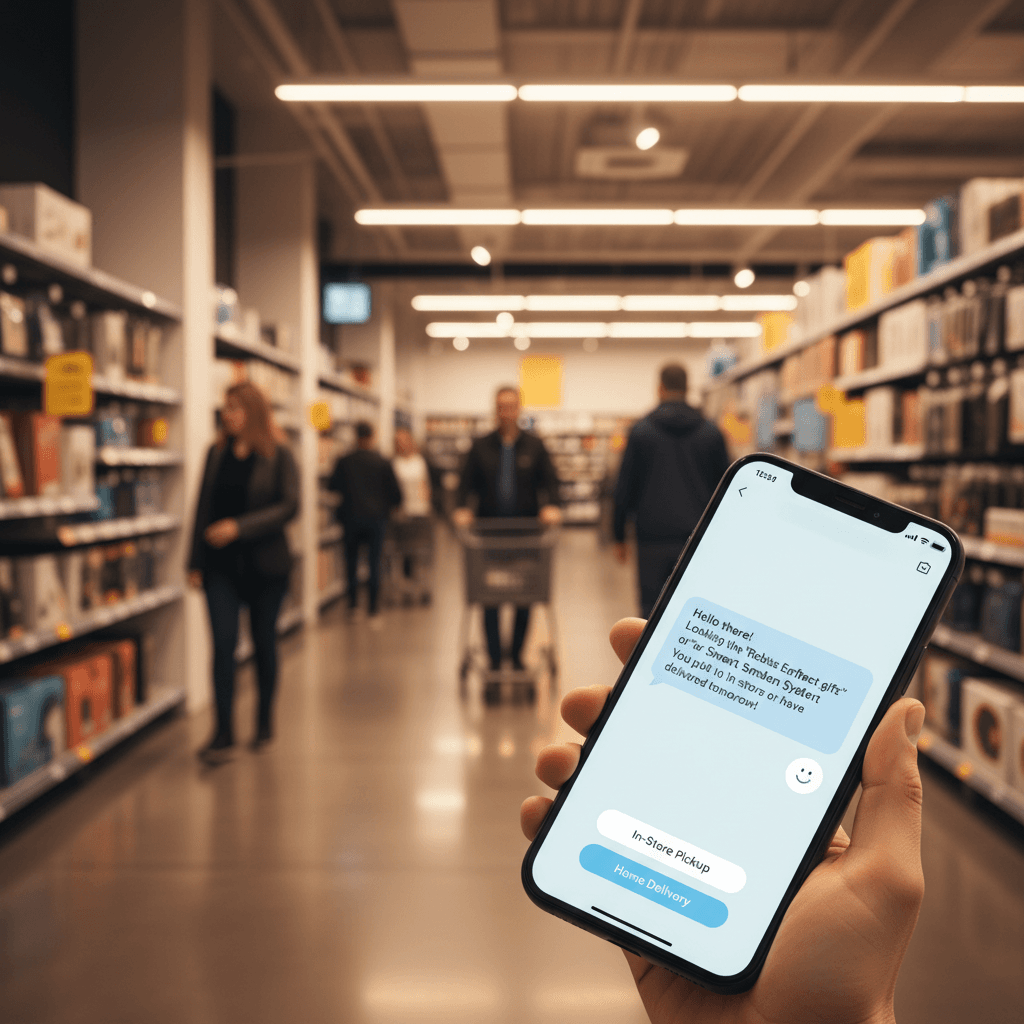
As holiday lists grow and inboxes overflow, one retail headline cuts through the noise: Target is teaming up with OpenAI to test a ChatGPT-powered shopping experience. For shoppers, this could turn a long, frustrating search into a single conversational query. For professionals following our AI & Technology series, it's a concrete signal that conversational commerce is moving from hype to hands-on reality. Consider this your field guide to the Target OpenAI ChatGPT shopping moment—and what it means for Work, Productivity, and the future of Technology in retail.
At a high level, reports indicate the test will let consumers tag Target in ChatGPT and describe what they're looking for. That simple shift—from typing keywords to describing needs—could be the unlock that helps busy people discover relevant products faster, especially heading into the holiday rush. In this post, we'll break down how this could work, what to expect, and how both shoppers and retail leaders can make the most of it.
Conversational shopping isn't about replacing the store. It's about making discovery and decision-making dramatically faster—then connecting you to the right fulfillment path.
Why Target's ChatGPT Test Matters Right Now
The timing: peak decision fatigue season
We're in late November, when millions of shoppers are hunting for gifts, comparing deals, and trying to stretch their time and budgets. The friction of traditional search—tab hopping, inconsistent filters, unclear availability—costs time and lowers satisfaction. A conversational assistant that understands intent and constraints can compress the journey from "I need gifts for a Lego-loving 8-year-old under $30" to a short, tailored list.
The mechanics: tag, describe, refine
Early reports suggest a flow where you tag Target within ChatGPT, describe your need, and receive curated suggestions. Expect follow-up prompts like "Do you prefer pickup or delivery?" or "Is sustainability important?" The value is in rapid refinement: ChatGPT can translate high-level intent into product attributes, then map those to Target's catalog.
The bigger picture: AI as the new retail front door
This is part of a larger trend: shoppers initiating buying journeys inside AI interfaces. In the same way search engines became a top-of-funnel for e-commerce a decade ago, AI assistants are evolving into intent interpreters, product concierges, and even list builders—key roles that drive both conversion and loyalty.
How ChatGPT-Powered Shopping Could Work End-to-End
1) Discovery by intent, not keywords
Instead of "kids toys under 30," a shopper might try: "I need three STEM-friendly gifts under $30 each for kids ages 7–9, available for pickup near me this weekend." The assistant parses constraints (budget, age, pickup window, location) and returns a shortlist, with reasons why each item fits.
2) Conversational narrowing and comparison
Shoppers can ask for alternatives—"Less plastic," "No batteries," "Bundle with gift wrap"—without re-running a full search. The assistant keeps context, enabling a back-and-forth that feels like working with a knowledgeable store associate.
3) Fulfillment-aware recommendations
A strong system will incorporate store-level availability, ship cutoff times, and pickup windows. In practice, that means suggestions that are actually attainable, not just aspirational. Expect options like order pickup, same-day delivery, or shipping, based on real-time inventory.
4) Trust signals and transparency
To drive confidence, results should surface ratings, key specs, and policies in plain language—"4.6 average rating, age 8+, includes rechargeable battery, free returns through January." Clear, conversational summaries reduce surprises post-purchase.
Productivity Gains: For Shoppers, Teams, and Store Ops
For shoppers: time back in your day
Conversational shopping reframes the task from "search and sift" to "ask and decide." That cuts cognitive load and saves time—especially useful for:
- Multi-constraint shopping (budget, brand preferences, timelines).
- Gift-finding with limited context ("What do I get for my sister who loves baking?").
- Last-mile planning ("What can I pick up near work at 5 pm?").
For marketers and merchandisers: intent insights
When shoppers describe needs in natural language, you gain high-fidelity signals about use cases, occasions, and constraints. This unlocks:
- Smarter assortment and bundling based on real intents.
- More relevant content and imagery that mirrors how people actually shop.
- Faster test-and-learn cycles for promotions and recommendations.
For store operations: fewer misses, better flows
If recommendations are inventory-aware, associates spend less time resolving out-of-stock issues and more time on high-value service. Expect smoother order pickup, clearer substitutions, and fewer post-purchase escalations.
Building Blocks Retailers Need to Compete
Even if you're not Target, the blueprint is usable. To stand up a conversational commerce pilot, focus on four pillars:
1) Product data that "speaks human"
- Enrich titles and descriptions with attributes shoppers mention in plain language (materials, fit, age ranges, allergens, sustainability notes).
- Standardize taxonomy so a model can map "cozy," "lightweight," and "packable" to the same attribute set.
2) Reliable availability and pricing signals
- Connect real-time inventory and pickup windows to the assistant, not just the website.
- Define clear fallbacks when data is stale: show alternatives, nearby stores, or ship options.
3) Guardrails, policies, and brand voice
- Use system prompts and content filters to keep responses on-brand and compliant.
- Establish refusal policies for sensitive categories and edge cases.
4) Measurement from day one
Instrument the journey so you can answer: Did the assistant reduce time-to-find? Improve add-to-cart rate? Lower returns? Align KPIs to outcomes, not novelty.
30-60-90 Day Roadmap for a Pilot
- First 30 days: choose two use cases (e.g., gifting and back-to-school), define guardrails, prep
SKUfeeds and taxonomy, and build a minimalRAGpipeline to ground the model in your catalog. - Days 31–60: launch to a small cohort, collect intent transcripts (with consent), tune prompts, and add store-level availability.
- Days 61–90: expand categories, integrate loyalty context, and stand up a clear escalation path to human support.
Pro tip: Don't try to solve every category at once. Nail one journey end-to-end with excellent data quality before you scale.
Prompt Playbook: Get Better Results, Faster
Whether you're a shopper or an internal tester, better prompts mean better outcomes. Try these:
For shoppers
- "Plan three gifts under $25 each for kids aged 6–8 who like art; all for pickup near [ZIP] by Saturday."
- "Outfit ideas for a winter office party: smart-casual, under $150 total, size M, prefer warm neutrals."
- "Weekly essentials for a family of four, budget $120, prioritize store-brand value and same-day pickup."
For teams testing the experience
- "Recommend top 5 options and explain why each matches these constraints: budget $50, pickup today, sustainable materials."
- "Show two comparable alternatives if the top item is out of stock at Store A, including next-best pickup times."
- "Summarize return policy in one sentence for this category, then offer a bundle suggestion."
Add constraints like budget, timing, materials, sizes, and fulfillment preferences to help the assistant land the plane.
Risks, Realities, and Responsible Design
Hallucinations and mismatches
Even grounded models can occasionally suggest items that don't perfectly match constraints. Mitigate with strict grounding to your catalog, confidence thresholds, and clear "verify availability" steps.
Pricing and policy clarity
Shoppers hate surprises. Always surface current pricing, promotions, and return windows in the same conversational flow. If something is uncertain, say so and provide a path to verify.
Privacy and consent
Intent transcripts are valuable—but sensitive. Store only what you need, obtain consent, and provide simple ways for shoppers to control and delete data.
Accessibility and inclusivity
Design for diverse needs: support clear, plain language; consider visual alternatives; and ensure your assistant handles multilingual queries gracefully.
What This Means for the Future of Work
Conversational commerce reframes how teams work across the retail stack:
- Creative teams shift from mass asset production to modular content that can be reassembled dynamically based on intent.
- Merchandising and supply chain coordinate around real-time signals, not static seasonal playbooks.
- Store teams become the last mile of a smarter, AI-informed journey, focusing on service moments where humans shine.
This is the essence of our "Work Smarter, Not Harder — Powered by AI" campaign: using AI and Technology to remove friction, so people can focus on higher-value decisions.
Bottom Line: How to Get Ready Now
- Treat conversational shopping as a new front door—optimize your data, not just your ads.
- Start small, measure rigorously, and let shopper intent guide where you scale next.
- Align cross-functional owners early: data, legal, CX, stores, and marketing.
Target's pilot is a milestone because it puts real shopper intent at the center of the experience. If you're a retailer, the playbook is within reach. If you're a shopper, get ready to save time and mental energy. And if you lead teams, now's the moment to align your roadmap with how people actually decide and buy.
In short: the Target OpenAI ChatGPT shopping test isn't just news—it's a preview of how AI will streamline Work and boost Productivity across the retail journey. Ready to pilot your own assistant? Bring a use case, your product data, and a clear success metric; we'll help you turn intent into outcomes.